

What Does Skin Cancer Look Like Under a Microscope?
While most people are familiar with the visual signs of skin cancer, the microscopic world reveals a fascinating and crucial aspect of diagnosing this disease. Understanding skin cancer at the microscopic level empowers dermatologists like those at Allura Skin & Laser Center to make informed decisions about your care. Keep reading to learn more about…
Read More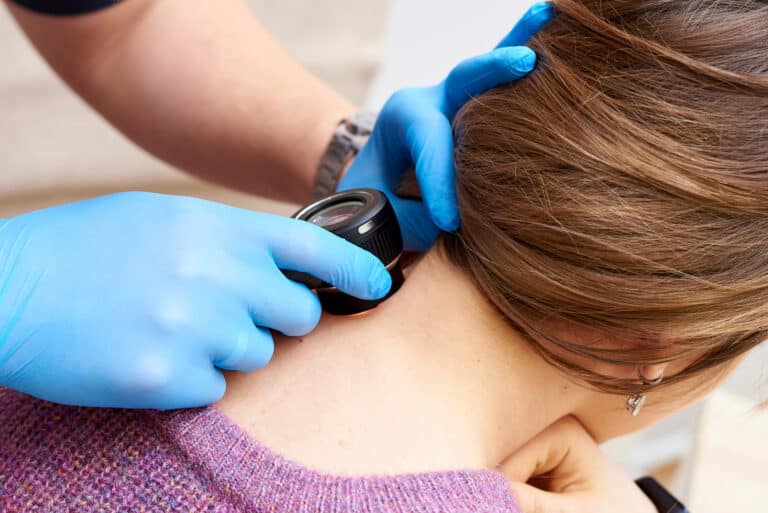
How Long Does It Take for Hair to Grow Back After Laser Hair Removal?
For many people, unwanted body hair can be a source of frustration. Shaving, waxing, and other hair removal methods can be time-consuming, inconvenient, and sometimes even painful. Laser hair removal offers a more permanent solution, but one common question many people have is: how long does it take for hair to grow back after treatment?…
Read More
10 Tips for a Smooth Recovery After Mohs Surgery
Mohs surgery is a highly effective technique for removing cancerous skin growths. It involves removing thin layers of tissue one at a time, examining each layer microscopically until all cancerous cells are eliminated. While minimally invasive, Mohs surgery does create a wound that requires careful aftercare for optimal healing. At Allura Skin & Laser Center,…
Read More
Who Should Try a Botox Lip Flip?
The Botox lip flip is a popular cosmetic treatment designed to subtly enhance the appearance of your lips. By relaxing the muscles around the upper lip, this procedure allows more of the lip to show when you smile, creating a fuller, more youthful look. Unlike fillers, the Botox lip flip uses botulinum toxin to achieve…
Read More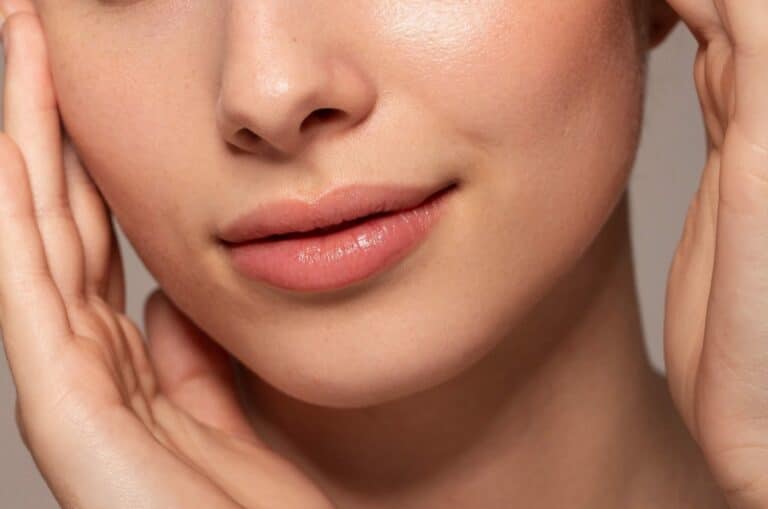
Can Botox Help Give Me a Sharper Jawline?
For many, a defined jawline is a hallmark of a youthful and sculpted face. But as you age, or due to genetics, the jawline can become less distinct. This can be caused by a combination of factors, including: Loss of volume: The skin loses elasticity and collagen over time, leading to a sagging appearance. Muscle…
Read More
10 Essential Winter Care Tips for Psoriasis Sufferers
Winter can be a challenging time for those living with psoriasis. The colder temperatures, drier air, and reduced sunlight exposure can all contribute to flare-ups, making itchy and uncomfortable plaques worse. Cold, dry air can exacerbate psoriasis symptoms, making it even more challenging to manage. Understanding the underlying causes of psoriasis and the factors that…
Read More